Friday, January 11, 2013

An Urban Nomad


Home sweet home.

When I first started talking about my next adventure, someone said, "Well you are un-packaging yourself." I guess that is true.

When I went to Mt. Jefferson as the rains started to roll into the Pacific Northwest, I was hit hard with the feeling that I need, truly need, to spend more time in the woods. That after a day of being out hiking and exploring, as I come over the crest all happy and worn out, I see my blue tent and know I am coming home. I boil the water to make a simple dinner. Maybe I make a fire. I settle into the setting sun, the change of pace of my fellow creatures that regularly occupy the area, and sip a warm evening beverage.... I settle deeper and deeper to a feeling of belonging.

I have always felt a bit of a nomad. Its sort of pissed off some of my girlfriends and at least one partner. I have a suspicion that it makes some of my family members nervous. I just have such a hard time feeling connected to a place/house/home. I am almost always prepared to move on, sometimes run away, but mostly its just to move on and see what is around the next bend in the road, river, my mind.... Portland, the Pacific Northwest has been the exception. Still.... I can not find a "place" that I want and am able to call home.

So now I have decided to try an urban nomad life, and move into a van. My grand plan was to spend the winter getting rid of shit, saving money, and starting in the spring. I would spend my days off at the river, mountain, the coast... My plans never exactly work out as I imagine. I oddly found an old van that matched all my requirements at the end of November. I have spent December getting ready, and began the new year with a new way of living. And finding areas that are not yet filled with snow to outdoor it.

My requirements were: small cargo van (was looking at the Chevy Astro van ended up with a Ford Aerostar), fairly good condition, not too expensive in case I hate it. I went for cargo because it blend in with all the other white work vans around town (urban stealth-ability), they are made to last and haul stuff around. The smaller cargo vans get better gas mileage. I read a ton of van living blogs and talked to people about ideas and systems needed. Plus, a couple years ago a really good friend of mine made this transition, and I got to watch them do it, and had kept a little file in my brain about what I liked and what I would maybe do different.

The thing is, I found very little out there on what women are doing in vans. I found one about a woman with a kid, but it was written by a guy. There are a bunch with male/female couples. So how women dealt with female specific issues... I'm making up as I go along.

The first question I usually get is about the bathroom. I joined 24 hour fitness for showers and sauna. I wanted something that I could go to after work (around 11pm) for those cold nights. You know work out, sauna, shower, get super internal heat then climb into my warm sleeping bag. I looked for something local or not big corporate, but there is a reason it is called 24 hour fitness... Then I researched the best female peeing standing up devises, and found the pstyle. That with a good mason jar (with those tight fitting plastic lids) make a great bathroom. It is distinctly marked so as not to be confused with other mason jars. The perk of the pstyle is the rounded back edge. It acts like a squeegee, so you don't have to worry about wiping or drips. If you regularly bike, hike, have a desire to pee standing (or not fully dropping the drawers) get this devise! For other bathroom needs, I have a list of late night/early morning coffee shops, bookstores, and such that I can use... being healthy with regular bowel movements is helpful. The other devise that I use is the Diva Cup. Its especially great for overnight, and again, hiking/backpacking. It takes a little getting use to, but in just a short time it is super easy to manage.

OK, now that that stuff is out of the way. Lets talk food, the 2nd most asked question that involves fewer uncomfortable looks and explanations. Well I'm keeping it simple. Raw fruits and veggies mostly. I got a traveling personal blender The Tribest, is the one I picked. It has a nice little adapter for mason jars, unfortunately it is not for the wide mouth jars that I usually use, but I'm getting use to it. It is super great for the small jars that I use to make raw nut cheeses/spreads. I also found an electric kettle for tea and miso soup. I found a great inverter that plugs into the cigarette lighter thing and has 2 outlets and one usb port. To be honest, I haven't used them too much yet, but am looking forward to figuring it all out. In the mean time, you will probably find me dining at Canteen having an amazing smoothie, bowl, or the walnut taco salad thing that I am craving right now! I have several water bottles that I keep filled and bags of nuts and kale chips around.

I think those are the basics. I'm just a couple weeks into this new adventure and 5 days of that was, yup, cat sitting. I suspect that I will be tweaking and shifting things around. I did get a storage unit for opposite season clothing/needs, my massage table, one guitar, drum, and things I'm not ready to get rid of, as well as things I want to send off... oh yes, and books. Seems I have a horrible addiction to books. I'm giving away bunches, but still have 3 apple boxes worth in storage. Mostly they are books I do refer to often, or books I have for specific projects that I am hoping to jump on. The storage unit is fairly small, but I think I will be able to go smaller soon. Detachment is coming faster than expected. I should mention that I have space in the van for 2 milk crates of books... plant id books, and current project/pleasure readings.

Other things that have a permanent place in the van for now. The rear storage is backpacking gear, books, extra jackets, tools, writing resources, and things I don't need daily. In the front compartment, I have cloths, food, and food related devices. In the future (near I hope) will be a cooler when the temps get a little warmer out. What else? the sides have rain gear, sometimes my bike, shoes/muck boots... Oh yeah! sleeping.

So I was going to get some kind of smaller version of a futon, but when I went to Cotton Cloud, the guy told me about The Nomad Pad! I'll get a pick soon. It is the size of a twin mattress, but tri-folds. That means I have a bed, chair, and a lounger! It is 6 inches of firm foam with an amazing cover that is water proof and easy to keep clean. And I can just do a little flip and have plenty of room to slide it around and create a whole different environment... or make it look like no one is living in it while tooling around town.

OK so that's the basics. The goal is for this to remain somewhat dynamic. As it warms up, I'm sure that I will be spending more time in it, out of it at parks in such... but now you know how I have un-packaged myself. If you find me parked in your area, feel free to stop by for a cup of tea.

The woman I bought this little van from used it for traveling and her dad built her this great platform:
I gave away the futon, and began some remodeling. Not much actually. just one little cut and hing figuring.

it takes a great many tools for me to do something straight


no power tools were used in the remodel

smoothie break

this is the end i flipped one side to open to the side

thinking about what to do with what I have.

it may be cold

but this is my view


Friday, October 12, 2012

What Does It Mean to Be A Fit Person?


One happy hiker!


Today Portland has returned to it's natural fall self. We had an amazing summer and spectacular fall, and now the rains return. The gold and green is adding touches of red. The people are hoodied and smiling. All is well.

On top of it all, I snuck in one last backpacking trip. I finally made it up to Mt. Jefferson Park! It was a wonderful journey up 3800' in 6 miles... lots of up and stunning views. The days were hot and the nights were down right cold. It was perfect for contemplating and reflecting on a topic that has been bouncing around my brain for a while now.

Mt. Jefferson: seeing the mountain through the forest.


At some point this summer, I realized that my next birthday will be my 45th. I don't really think about age that much. Time ticks by regardless and I try to enjoy the moments as they come. The realization was more about, "Wow! My life is more that 1/2 over" I don't really plan on living to see my 9th decade, or my 8th for that matter. I am fairly good with all that. I don't actually care how long I live, but more along the lines of how well I live.

In addition to the tick of the years, my body is telling me it is changing. My hormones are adjusting. Menopause is on its way, if not already here in some ways. To venture into this next phase of my life, well to be honest, I don't want to miss it. It is another kind of rites of passage that we go through as humans, much like adolescence. But to be present for this next phase requires me to be a fit human being, but what the hohos does that mean?

For me, to be fit has meant that I was capable of doing whatever I wanted whenever I wanted. I could take off and hike, bike, run, play a ball game and not have to worry about if i could do it. However, it has come to mean so much more to me than that. Fitness is a subsection of health, of being a healthy individual. But can a healthy individual be without a healthy community? Can the 2 exist independently. I say "No".

So here is what is rattling around in my body about heath and fitness. First, health has to be more than this definition found on the web:
Noun:
  1. The state of being free from illness or injury: "he was restored to health"; "a health risk".
  2. A person's mental or physical condition.
From the World Health Organization:" Health is a state of complete physical, mental and social well-being and not merely the absence of disease or infirmity." That is closer.

But there has to be more to it, right? If you are a farmer, and you look out over the crops you are caring for, are you looking merely for plants absent of disease, or are you looking for a plant that is growing and thriving? Plants healthy enough to ward off potentially damaging diseases or insects is what we hope to grow. Plants capable of feeding us, the soil, the air....

A good example of a healthy and fit garden came to me after Katrina hit New Orleans and the levees leveled communities. I was informed by some friends of mine doing bioremediation work to restore the health of the soil so that people could grow their own food again sooner than later, that some of the already established organic gardens prior to this disaster, were still absent of the toxins that other soils had absorbed. The only way they could explain this was that the healthy soil was able to fight it off. In other words, it's immune system was functioning well.

Mountain reflections while reflecting.


Humans work the same way, in my opinion. If we have a healthy, well nourished, un-stressed, active body and immune system, we are less susceptible to disease, discomfort, and invasive diseases. I would even go as far to say not just diseases, but also ideas, propaganda, dogmas, and outside communities. We know who we are, what we stand for, and what our basic values are. This is what I really want to explore more, eventually.

But let's bring this back just a little. So my initial exploration of developing some kind of fit lifestyle, was exercise. It is where a great many of us go at first. I started a running program. I've evolved a simple basic running "program". I run barefoot barefoot, not minimalist barefoot,for 30 minutes a few times a week. But it was hard to find some kind of running for fitness program to "follow". They were all about training for some big event; 5k, 10k, marathon. And at first, I was like yeah! I want to do a 1/2 marathon. Maybe the one around Timothy Lake. Still might, just not the organized one. I also would like to put together a Hood to Coast team. So I read a bunch of books about how to set up a program. When to do all these special drills and such. And I've tossed them all out the window. Well not actually. I took them back to the library. There is one book that has captured my attention. It is Fit By Nature by John Cover. Its a 12 week (one full season) program all based on exercises you do outside. I don't think I will start it now, but there is the daily dozen that I have already started.

I did join a gym. It is The Green Microgym on Belmont. I really like it. It is small with limited equipment, but space to do simple workouts. There is no pool, sauna, or even showers. In fact you share a bathroom with the other businesses in the space. Its about staying fit. No frills.

I use to always claim that being fit, for me, was not a body image thing. That was a bunch of bull.... mostly. I didn't and don't really care much about how I look, except for one thing. I want to look like I can handle whatever "you" toss at me. I want to look like I can take it, I am strong enough to handle your shit and mine and I won't fall over. I can also handle insults, slurs, bullies... "YOU CAN NOT HURT ME CAN'T YOU SEE THAT?" That, too... bull. But I could pretend. My present physical goal is to be lean, clean, and strong.

Other topics that involve having a fit body? Diet. A good solid clean diet. For me that is vegan, unprocessed as possible. Fresh fruits and veggies. Grains, beans, legumes. The best is knowing where it came from and who grew it, made it, cared for it.... and this leads into community... for me because it leads to a connection to all the things that exist outside of my body, the shell of my being.

The care of the food I eat, and for those that are involved in it getting to me and into my body is about developing relationships that are interrelated. We can not exist with out one another. When we are able to work together, we become fit citizens capable of a fit community. 

This is NOT about a capitalistic community where we are all able to participate in a capitalistic way. Being a good citizen is not about being able hold a "job". It is NOT about the amount of money you are able to exchange. It is about participating in anyway you can. You are actively involved in caring and feeding your community. Maybe you are an artist, story teller, builder, composter, food sharer of some sort... the list could go on and on. The point is we are connected and we make our community strong and healthy, so that when those that don't want us to be independent come around, we have the ability to continue to grow and thrive. We don't succumb to soul breaking ideas of what a "good citizen" is. We know what true democracy looks like to us. We don't fall into the capitalistic ideas of the Western World that we live in. 

So this is where I am starting my ideas for how I am going to be fit for my community. I would really like to hear your ideas, perspectives, opinions.... on the subject. In January, when according to my birth certificate I turn 45, I will begin another kind of challenge: 45 to 50 - 5 years of fitness. The goal is to enter my 50s as fit as I have ever been in my life. My practice will include a flexible and functioning exercise practice, yoga, meditation, political/environmental activism (Monsanto goes down fantasy to reality), spiritual practice, and community involvement. Hopefully by then I'll have a better Idea of this process.

For real, bring your ideas, challenges and all. I think this is going to be super fun!


Tuesday, September 25, 2012

"Silent Spring" Turns 50 and I Have a Confession


It wasn't on my radar at all, but somehow, I found out that Rachel Carson's "Silent Spring" was published 50 years ago this September. Prior to this revolutionary book, she had published 3 amazing books bout the sea. But this is the book that has sold more than 6 million copies in the US alone. This anniversary has, surprisingly (?), gotten little attention. Or maybe I just am not paying attention to the world right now.

One of the big things this book was credited for doing, was getting the government to ban the use of DDT. But even then there were people in high places using fear tactics to try and fight for the continued us of this deadly pesticide. One of the biggest opponents to the ban was Nobel Prize winner Norman Borlaug, "If you remove DDT with the hysteria that is present in the USA, the U.S. will be importing food, only there won’t be any place from where to import it.”

Luckily, the fear tactic didn't work that time, but the CDC tried to fight for the use of DDT again to fight malaria in 2006. The manufacturing company Syngenta claims that is is safe when used properly. And let's not forget that DDT started as a military weapon, as have the majority of our "agricultural" chemicals.

Her fight also helped establish things like the Clean Drinking Water and Clean Air acts, as well as the Endangered Species act. All of which are in danger of being watered down for the welfare of Corporations and American over-consumption. Orion Magazine has a great article this month called The Fracking of Rachel Carson if you would like to see a great comparison to the fight she was doing 50 years ago, and what is happening now. Fracking is not very kind to people animals or the environment.

What have we actually learned in 50 years? Politicians and corporations still use the fear of scarcity and disease to make products, or use processes that continue to make us ill kill the land animals people, and I'm pissed! A lot of us are pissed. But we get caught up in the world of trying to make ends meet. Trying to pay the bills student loans eat good food enjoy some leisure time.

Let's also not forget that those who do not want the general public to know this information, not only get respected people to say things like "we won't be able to fee the world with out these wonderful chemicals", but they also do all kinds of things to dis-credit the messenger. Carson died of breast cancer in 1964 after a long fight. And she did the best she could to hid it. There were actually people that claimed she was working so hard at protecting people and the environment because she blamed DDT for her cancer. Never mind that she was a well respect biologist. Never mind all the research and work she did. They questioned her motives. Who questioned their motives of greed?

She also had strong allies like John F Kennedy. The Audubon has a good article, Rachel Carson and JFK that describes their connections. 

A couple weeks ago a customer at the co-op, that i do have a pretty good rapport with, cornered me and just went off on global climate change and that the co-op needed to be more active about putting information out to inform people. The person started throwing out all this information and numbers and getting really worked up. Then I gently disagreed with him. We don't need more staggering statistics, we need the beauty of the works like "Silent Spring". Carson created an apocalyptic type scene, then she created a course of action. She gave us a story. 

And maybe that is what we need, stories that help us find our internal hero/moral compass to direct us through the difficult choices that we need to make...

And now for the confession. Its not really a confession, but more of a coming out of yet another closet... Somewhere around the end of May I kind of gave up drinking alcoholic beverages. My body just kind of lost a taste for it, and so has my compass. Before I go too far, I should say that I did sort of test the taste and craving thing by having a beer with a friend while I was on a trip, and have has a little bit of some mead made by and gifted to me by some friends of mine (really damn good mead I need to add), but mostly I have used them at special occasions or saving them for special occasions to share with good friends. 

But there is more to it than all that. As I have been thinking more and more about the use of resources in this world, as I disagree with all the land being used to grow grain for animals, was it hypocritical for me to drink beverages made from grains that could have been used to feed folks? What about the way alcohol companies use sexism to sell their products? They tell us what it means to be a strong man or desirable woman. How many times has the use of alcohol been all it takes to excuse sexual/physical abuse or rape? On a more personal level, I know I would have had fewer sexual partners (and probably short term relationships) without alcohol.

I had been wanting to give up the booze train for a little while, but to be quit honest, I wasn't sure what it would do to my social life. Would people still want to hang out if i choose bitters and soda instead of whiskey? Would people be willing to go to a cafe instead of a bar? Would people still like me if I wasn't buzzed? Would I still like my friends if I wasn't buzzed?

Then there was the question of do I have a problem with alcohol? What does it mean to have a problem with a substance? I thought I knew the answers to these questions. I've had different relationships with  alcoholics a great deal in my life, as well as people addicted to other substances. I suppose the answer is the one I learned in permaculture, "it depends". Whatever our relationship to anyone or anything, it can change at any time. Everything truly is impermanent. So today, my relationship with alcohol is not compatible with the way I want to live my life.

I may have a sip of some home brewed something made with great care and intention. I might have a glass of free beer that comes at the end of a 100 mile bike ride. I might even try and brew my own something again someday. But at the moment, I am really enjoying the presence and peace of mind that sobriety has brought me. And I am really excited/relieved that I don't have any cravings for it. 

And I have tested this. Within a week or so of letting go of alcohol, 2 of my super fun summer events that I am always well into a good buzz by the time they are over, came up. First was our Summer Street Fair. I am always given a good number of fee beers, stay late and help finish off the kegs and make music videos. Then there was my all time favorite beer fest, The Northwest Organic Beer Fest. Its outside. Its free to get in. Kids are welcome. Its outside. Discount for riding trimet. Special bike parking area.Its outside. Its organic, good veg food is available, and they try to lessen the environmental impact of such a large event. It was on the list for the summer, so I went. And I did have a great time. And I left when the level of intoxication around me started to be something I didn't want to be around. It was a great night with good friends!

It also solidified that I could do this. That I could even take a sip of a good beer, appreciate the craft, and not want to go have a whole one. That I am ready to live these moments present and aware of what is going on, and that I can still be fun, and that I love my friends, my community. They inspire me each and every day! 

Thank you!

A funny thing has now happened this week, I lost my taste for coffee. Lets see how long that lasts. In fact, I am loosing my cravings in general. 

Monday, September 3, 2012

A Little Rant on Solidarity


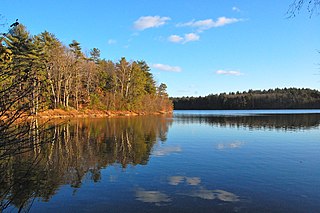
When I think of Civil Disobedience, I think of Walden Pond


Seems appropriate somehow on labor day to talk about solidarity. I've always been confused about this "holiday" however, because I have always either worked it, or at least worked in a place that would be open. The service sector of our economy rarely gets to reap the benefits of many of the labor rights that had to be fought for... really fought for. The last time I waited tables, I was getting paid $2.13 an hour and the government was trying to take more and more of our tips.  But that is not the rant I want to go on here... just something to think about if you are out enjoying a day off today.

Way back in the '90s, when I was super active in the queer movement, I was able to go to the International Queer Studies Conference. It was held in Iowa City, IA (I know, what a crazy place to hold it). People came from all over the world. The attendance was much greater than anyone expected. The little college town was so amazing and welcoming. Even the cab drivers where helpful. But it was here that I got to hear Gloria Anzaldua, a long time hero of mine, speak about identity. I never could find my socks from that lecture.  I used her example of why it is important to know who you are and what you stand for, every time I got to guest lecture on identity.

Gloria had us imagine ourselves as a tree, and that all of who we are as our roots. The better we know who we are and what we stand for, the stronger those roots are. Then when the wind of the dominant culture rolls in and tries to knock us off our feet, we will remain standing, perhaps even stronger than before as we dig in and work with those around us.... Solidarity! Have you seen the way roots of several trees entangle themselves with one another to remain standing no matter the winds or the looseness of the rain soak soil? Amazing is what it is.

In solidarity is where we need to be standing strong together yet again.... and I'm not just taking about queers, or women, or laborers, farmers, anarchists, even hooligans.... but all of us that do not stand with the dominant culture of over entitled corporations, banks, GMO seed companies, those that try to run our government, hell the world.

I don't know about you, but the more I step outside of the mainstream world, the more I learn about myself, and the more questions I have about how things got to the way they are and concerns for they way things appear to be going. And I think that the reactions, especially the American responses, to the incarceration of the Russian band Pussy Riot, has me excited yet concerned.  It seems all sorts of musicians and organizations,  like Amnesty International, is taking action and fighting for their release.The fact that people all over the world are taking notice is great; however, we have some (a lot) of political prisoners here in the United States as well. And I'm not just talking about the obvious ones like Leonard Peltier and Mumia Abu-Jamal.

Since 9-11, the U.S. government has used the anti-terrorist act and legislation to come after environmental and animal liberation organizations. And now that the Occupy Movement has had some success in getting people together and create a new counter-culture style revolution, they are coming after Anarchist groups. The book and website Green Is The New Red goes into detail about the history of how this happened, but I am concerned about what the FBI and other agencies are doing now. Like raiding local anarchists houses in in the Pacific Northwest. For more about what is happening here check out Committee Against Political Repression. Many prosecutors are now trying to go out of there way to associate individuals or groups of people as anarchists, much the same as was done with communists after WWII.


The government of ours must be afraid of something to be taking such action, but what do we do as a community? Well not buy into their fears is one thing. The fears that they try to feed us about how dangerous certain groups of people are to our individual freedom. How the hell is someone fighting for all to have more freedoms threatening? Ask questions... lots of questions... like why the hell do you want to put fluoride into my perfectly good water? Join a co-op... or at least shop at one.... or look up co-ops and learn about them. Shop at the truly local stores instead of the large corporate stores.... 


STAND UP
STAND TOGETHER
IN SOLIDARITY.


Wednesday, August 22, 2012

Memory... Memorials...Healing


you can't see them from here, but there are whales out there!

I've been thinking about how to start this rant that has been growing in me, fed by the passions of Sylvia Earle, for the life that stirs in the ocean. See, ever since I started learning about the mistreatment of animals (well the whole planet really) so that people can over consume the flesh of animals, I've had a few problems wrapping my mind around the educated minds of people who choose to do said consumption, when they know the results. Its the environmentalists that know the difference. Its the former veg/vegan that goes back to eating fish, eggs, dairy, flesh.

Maybe its a judgement. Maybe its my regular befuddlement that occurs when people who know better act like they don't...doctors, nurses, massage therapists that smoke. Maybe it is my own issues of feeling hypocritical about other things. Seriously. If you know harm is caused so that you can behave a certain way, why would you not change the behavior so that there is less harm?

Let's say you learn about Nike using child labor to put shoes, shits, etc together so that a very small number of people can make more money than most of us can imagine. Do you still put that symbol of torture on your body? Do you wear it with pride and feign ignorance? NO. Really. I want to understand why people continue to buy it... knowing. It has to be more than status, please, it has to be about more than status.

So here is the information that Sylvia Earle has presented. Most of it is not that new, as far as numbers go; however, she is an eye witness. First, a basic, 97% of Earth is ocean... it is our life support system. The oceans breath so that we can. She reminds us that food chains shape the chemistry of where we live.  When we, literally the universal we, put millions of tons of plastic and garbage into the ocean, we clog up our life support system. We remove hundreds of millions of tons of carbon based life (the kind of life that humans are a part of) we mess up the carbon cycle, the nitrogen cycle, oxygen cycle, the water cycle...

These oceans of ours, hold 97% of life in our world. And we are removing it so quickly it can not replace its self. See some folks believe that we are "harvesting" (dang how I HATE that word for butchering animals for consumption) these life forms sustainably. But how is that possible? We are taking 200 year old orange roughly, 50 year old rockfish, sharks, sea bass out of the ocean for a nice dinner. Many of these fish that are taken at such an age, don't get to reproductive maturity until they are 10 to 25 years old! So there are these fish, that we are consuming so rapidly, that they can not replace themselves at the rate they are removed. That is not sustainable. It is creating endangered species.

So 90% of the common fish are now gone. Gone in the 20th century. There is a basic law in the world of preditor/prey/consumerism; the consumers can not out number the consumees.

And its not even like people have to consume water animals to survive. Less than 1 % of the population use fishing as their financial support. Less than that use fish as their primary food source... traditional peoples who are losing their fishing support system to the mass consumerism of the rest of the world. Face it, their little fishing boats can not keep up, or go out as far, as the giant commercial fishing ships. People in the Western world NOT consuming the fish in their waters, is not going to hurt their ability to provide for a family, in fact it might actually help.

So, I'm told by some that they eat fish now for the Omega oils... Well bullshit. Seems those oils are in the fish because of the algae/plankton the fish eat.... so we can simply eat the algae that has the nutrtional values we are looking for.

Look, we all have reasons for doing what we do when we know deep down in our hearts that we shouldn't be doing them. But lets at least be honest with one another about those reasons.

The U.S. is the largest consumer of the things that are killing this planet, clearing forests, causing huge animal extinctions, mining the life-blood out of the earth, slaughtering all kinds of life forms... all for the bloated consumption of greed.

We shop. Eat. Consume. to feel better about... what exactly? We are suppose to be the model nation of freedom and pursuit of happiness... then why all the anti-depressents? Why all the drinking, drugs, sugar, caffine? Why to we have to move at such fast paces? What are we trying to keep up with?

At a reading fundraiser for Bear Deluxe, a local quarterly journal,  there was a guy reading, Mateo is what they called him. I just caught the end of his story. It was of a young guy returning from Iraq. He lost his legs under a tank. He came home with his pain and wounds a "hero". But when his nightmares became real. His raging pain and anger given voice, all his suport turned away.No help from the government that sent him there. No help from the medical community (no job no insurance). When he finally could take the pain no longer, he used the gun given him by the military, and killed himself. People turned further away. The question posed in the story was something like, why when people are injured in war, they are celebrated, but when they try and talk about the pain and suffering, they are ingnored or shamed?

He goes on... what is the memorial to this war going to be like and will it be made from the money saved from not caring for those that suffered on so many levels? (wish i could send you to some link to this story because he went on to amazing levels of discribing what a memorial would look like if he had the chance to build it... it would look, smell, taste, sound like war... like hell... no map.... no resting... just hell... i like it)

This led me to think about memorials. The ones I've seen. the ones I've heard about. the ones that i really have no idea what they are suppose to be for remembering. Right? Memorials are so that we remember a person or event for better or worse? In one of her books Terry Tempest Williams talks about going to Rawanda to work with people to build a mosaic style memorial to hold the bones that fell victum to the genocide there, and hold a healing space for those that meraculously survived.

But why? Why Americans going over there to build this? To alliviate guilt from not doing a good-gosh-darn-thing while it was happening? Is that what many of them are about? wishing we had done more to stop an amazingly horrible injustice, appriciated someone's love or innovation or creativity more while we had them live and in person?

Then, I read the Chronology of Water by Lidia Yuknavitch. Its a memoir. You could say it is a type of memorial. It is a story of someone's life. A life that was full of many many troubled moments. Moments that feed/starved responses to other moments. Its a way of telling a story that didn't match the story that others' wanted us to live to tell. We all have these stories with in us at some level. Something that moved us to the edges of what our social world says is acceptable. Sometimes, it goes by un-notices or tolerated on some level. Other times, not so much.

If we keep these stories locked inside us, we can pass for whatever people want of us/from us...expectations. But if we tell them push them to another level continue to make choices not pre-written for us... well things break: hearts hell dreams. Also some things are made and grow: dreams life joy.

What does this all have to do with Sylvia Earle, the ocean, being vegan....

Well, I'd like the ocean to survive. As you know I don't much care if the human species does, but the rest of the world is so beautiful... so breathtaking... so

I don't want there to be a memorial built or created when we take the last fish from the sea. I don't want to see some empty ice sheet made of plastic with a mechanical polar bear on it. I want us to take the knowledge that we have and I want us to DO SOMETHING BESIDES CONSUME!

Can we use a little less single use? Can we find more value in people, places, species then what we can make out of something/one and simply enjoy them for who they are, what they want to be, want to create.

I thought I might want to go into more information that Sylvia gives in her books and talks, but really, most of us already know it. I would rather we be more honest about why we can't stop ourselves from consuming the world.  Like the health practitioner that can't stop smoking, we know better, but we can't stop. W H Y? Without judgement for the answer (self or others) I just want to know why. Its not enough to know that we are broken, that the earth is broken, that the ocean is broken. We must tell the stories about how it broke, why it is broken. In the story telling, we can find ways to heal it. Like in the telling of our broken selves we start to heal. It becomes harder and harder to fool ourselves that we are doing the "best that we can." We have told the story enough times, we aren't fooling anyone anymore.


Monday, July 23, 2012

It All Starts With A Question


No matter the perspective from space, the world is mostly blue, mostly ocean. The ocean is what supports life on the land. It give us the majority of the oxygen we breath. It absorbs most of the carbon dioxide released. One recent statistic that I can not get out of my mind: no matter where we live on earth, one in five of our breaths is from one type of plankton. Just one type.

Remarkably, in the environmental movement, little attention is given to the ocean. The vegan community speaks a little on the atrocities perpetrated on whales, sharks, dolphins, by-catch... What about the fact that 90% of the large fish are now gone... forever.

Most of science will tell us that life came from the ocean. It also tells us that the salinity of our bodies is remarkably similar to the ocean. Yet we, us, humans, constantly show a lack of respect for our life support system. We take all that we can from the seas and we return waste that we don't want to have to deal with. There are floating islands all over the ocean, twice the size of Texas or more, that are made out of plastic. The top 10 list of pollution found in the seas: number 1 is cigarette butts; the following 9 are all food and beverage related from a culture of over consumption of disposable/single use items. That is before we get into the barrels of nuclear waste, or the results of wars at sea, oil spills...

If you watched the video of Sylvia Earle from the last post, you know what I'm getting at. Since then I've also been reading "The Sea Around Us" by Rachel Carson. Written 10 years before "Silent Spring". It was the number 1 non-fiction book of 1951, and just as poetic as anything else she has written. It starts with a brief history of the evolution of our blue planet, describes the 4 seasons of the seas, and just keeps going.

Oregon Coast


Our world has changed quickly since her observations, and so has our knowledge about our behavior's effects on these forests in the ocean. We know it will never be sustainable to harvest 50, 100, 200 year old fish, but we still do it. We know that the precious Omega oils that we crave are not in the cold water fish, but in the DHA from the plankton those fish eat, so why not eat the plankton (spiralina and other blue-green algae) instead of those fish, or fish oils.

We have more knowledge, more answers than we have ever had before... so maybe it isn't answers we should be searching for, but questions. For what we need is not more answers, but changed behavior. We need people to not consume those things that give us life; from the mussels that filter the ocean water to the Orange Ruffy that feed even larger fish. What changes behavior?

Well for me, it always starts with questions. Why do I do_________. I became vegan because I started asking questions. In changing what I ate, I didn't solve any problem or find any answers, but created more questions that led to more changes in how I move through the world, leading to more questions, etc.

The world is dynamic. Always changing. Its a lot like riding a bike. After riding for some time, we don't notice all the little adjustments we make, even on the shortest rides, to keep from falling over, but they are there. Nature does the same. Not enough food in an area, the animals don't have as many off spring. For some reason, humans don't get this.

I'm not worried about the world coming to an end. I am deeply concerned about the violence and suffering that a small percentage of humans (actually) on the rest of other humans, plants, animals, and all of nature; however, the world will survive. It knows how to balance it's self. Humans may not make it; we may be responsible for our own extinction. If we, as a species and individuals, wish to continue, we need to change some things.

So lets hear from my favorite teacher, Thich Nhat Hanh: "It is possible that the next Buddha will not take the form of an individual.  The next Buddha may take the form of a community-a community practicing understanding and loving kindness, a community practicing mindful living.  This may be the most important thing we can do for the survival of the Earth".

So where to start? Step outside. Take a deep breath. Ask "Where did that breath come from? Where will my breath go?" Next time you eat anything ask, "Where did that come from? Who made/grew/packaged/planted/harvested/drove/tended/etc it?" Talk to your neighbors. See if they are asking the same questions you are. Ask about their experiences. Learn together. Share Food. Bike together. And keep asking questions. You'll be amazed at just how empowering taking your own action can be. It can be even more empowering when we do this as a community.

I still want to dive into the lessons of Sylvia Earle and others that are in love with the sea, but first I want to explore what it is that we are searching for. Answers? Actions? Support? Community? For I believe that we love this world deeply, and fiercely. And to love something so much, we must do those things that are hard. We must examine how we are complacent in the harming of what and who we love. We must be willing to face the pain we have caused. We must be willing to stand up to those who continue to bring harm to what we love. We can do it with compassion, but we can not do it if we are complacent.

Sunday, July 15, 2012

Farm Tours + Rivers = Inspiration

So much to catch up on, but lets start with what has been a great catalyst for a many thoughts lately.

This vacation started with our annual farm tour. This year we changed things a bit and focused on size and distribution, you know, what does it take to feed lots of people good food.

Wintergreen Farms

kinda says it all


We started at Wintergreen Farm, renown for its Burdock Root! The farm is owned by 3 families and covers 170 acres of land that is either owned or leased. 20 of those acres are dedicated to mixed veggies and berries and such for their CSA, 90 acres is for cattle, and the remaining is all about habitat for wetlands, trees, and birds.

They aren't just organic, but biodynamic. Being biodynamic is about the only things that makes me feel somewhat ok that they also grow and harvest pasture fed cows, in other words they sell meat as well as vegetables. However, by being bio-dynamic they use everything on the farm to feed and nurture what they grow. By they way, their burdock isn't just a personal favorite. We learned at OGC (the organic distribution center that we went to later) that they have orders for this delicious root from as far a Japan!

Our next stop was OGC (Organically Grown Company). We get a great deal of our produce at the co-op from them. We checked out one of their warehouses and heard a great little talk from their operations manager. He focused on their sustainability goals. Some of the things they are excited about is a new type of door where they pull a string and this door quickly rolls up and down. This added with a bit of a vacuum pressure to keep the curtain door closed, it become much more efficient for them to come and go from the walk-in cooler. Most of the doors used in the industry are more of a thick plastic curtain type thing. We also learned that they have the 3rd most efficient semi-truck in the nation. Supposedly there are hundreds of choices when you order such a vehicle and they all have some kind of effect on their fuel efficiency.

super efficient cooler door


proudly hung Beehive Collective print!!

where does it all go?


Other things that they are trying to do is decrease the number of cardboard, or really bad boxes that are used to haul produce. So they are looking at some kind of re-usable tote type containers. They also want to replace pallets with something more efficient. It seems that something like 90% of the hardwood harvested goes to making pallets! I had no idea. So they have a company across the road that rebuilds falling apart pallets until they are able to come up with some kind of alternative.

OGC does many good things for its community. Things like donating to Food not Bombs, paying employees to volunteer, and having a domestic fair trade policy. All of this while trying to keep margins low so that organic food is as affordable as possible for the final diner.

Our final farm on the tour was Ground Works, also known as Plastic Works. Its a pretty big farm. He couldn't really give us a clear idea of how many acres of land he has, and he had just acquired another farm across the way, and it is all owned by one family. It was here that reality hit on the scale of organic farms if we let it become more and more like the size of conventional farms. The 2nd thing I noticed was the red headed head of the farm surrounded by the brown skinned men that were doing the work in the “fields”. I've heard that they make fairly good wages for farm work, they aren't exposed to super toxic chemicals like at conventional farms, and they get 1 to 2 weeks vacation a year.

The first thing I noticed was why they are nicknamed Plastic Works. It was the rows and rows of hoop houses, and right next to the bus, were rolls and rolls of plastic. The reason many farms, and Ground Works was the leader in this in our neck of the farm woods, are using these plastic hoop houses is to get a jump start on what they can sell at farmers markets and such. The theory is that you want to get customers hooked on your product first and cultivate the loyalty one depends upon.

Previously I'd only really heard of people using hoop houses to extend the growing season, and to get seedlings started stronger sooner. Now its being used for more, and more farms are having to do the same to be able to compete with Ground Works at the markets. And Ground Works is at almost all the Farmers Markets in the area, as well as selling to many natural food stores as well.

I left Ground Works feeling kinda gross and sad. Compared to Wintergreen, this last farm did not feel alive and connected. There was no compost pile, or bucket for the stems of the strawberries he shared with us. Where one nuclear family owned this last farm with several employees, there could have been multiple farmers owning and working the land. Maybe I've been working in a collective co-op too long, but it saddens me to see people working really freaking hard (farm work is hard) making minimum wages, no benefits, and no say in what is happening in their working environment, when there could be a more democratic way.

I'm not naive, I know that feeding huge amounts of people “organic” food takes a great deal of farm land. I just don't believe that single families running so much acreage is the answer....


Something that should be added, because of their growing practices at Groundwork, they are able to grow some ginger and lemongrass that normally comes from very very far away, so maybe some plastic vs. transportation is a better choice?

And I left town with my backpack with these thoughts in my head. My goal was to explore some day hikes I'd been wanting to do, and just car camp. Usually I try to do a long backpacking trip and get far from civilization, but I have had a rough couple of months and wanted to simplify. Just a week or so out from my vacation, I had found out that some of my family members where having health issues, all of them could be traced back to diets rich in fats and sugar while weak in nutrients. As someone very focused on nutrition, it is very difficult for me to watch people I love make really dangerous food choices.

My first stop was Silver Falls State Park and the trail of 10 falls. I'd heard a great deal of Silver Falls and was looking forward to the hike, the peace, the quiet contemplation of the great out of doors. The falls were anything but quiet. They were amazing and loud and oh so powerful! You get to walk behind at least 3 of them. There is something special about being able to walk behind waterfalls that makes me feel so very safe, secure, nurtured... like a return to the womb or something.

sneaking up on a waterfall

steamy, foggy morning

view from behind the south fall


The area's protection was fought for by a photographer, June Drake. He used his camera and passion for the land as an activist to convince people to keep the land unharmed. It is a reminder that we can use whatever skills and talents we have to save and protect our world. This notion of activism comes up again later.

From here I went to the Matolious River, and fell in love. The river is magical. I ended up spending 2 nights here instead of one. The original idea was one night here and 2 nights at the McKenzie river, but I just felt so good at this campsite and the view feel of the river.

the butt biting chipmunk that kept me company

this river is magical


and blue


First to get to the trail head, you have to drive way off the main 2 lane highway to get there, and then a bit on an old dirt road. The campsites (of which there are only 7) are simple and self serve. In other words there is no camp host, showers, or flush toilets... it was all so simple and sweet.

The trail it's self is not only about 5 miles out and back. That's 2 ½ miles to a fish hatchery that I never walked all the way to. I just couldn't bring myself to do it, and to watch all the cheating fishers just hanging right there taking life by surprise/demise.

Instead I stopped just before at a super amazing spot and ate my lunch while starring off at the bluest blue river I had ever seen (up to that point). I swear, if I could find tattoo ink that color of blue, by whole body would be covered in river. So there I was eating lunch and gazing at the river when I just happened to look up and over at a deer who just happened to be eating also, and decided to look around at exactly the same time. Both of us startled just looked at one another for spell until the doe just walked away. It was so exhilarating I could hardly stand it, so I just smiled and thought that I must finally be smelling like nature to have surprised a deer.

wading in to get water


I explored the river a little more around the campsites and found some amazing places to just sit, nap, write, and listen to dharma talks. Listening to Thich Nhat Hahn is always special, but to be sitting by a river while he is talking about interrelatedness and how live is like a river was extra motivating to do sitting practice. I was also inspired to go for some runs on the trails after hiking them. Each new pass on the same trails, I spotted something new from plants to fish jumping.


As for the water.... it was so clean, clear, and cold that I didn't even use my water filtration system. Just stuck my water in a fast moving portion of the stream and drank it in. As it rolled down my throat I feel it course through my whole body giving it life. I found such gratitude for the life giving nourishment that water provides this world (which comes up later also), mixed with the warmth and blue sky (proof that I was out of Portland in the spring) I couldn't shake this mantra that had been playing over and over again in my head “yellow and blue makes green”. To me it means that the life giving forces of the sunlight and the water creates life on land: plants, animals, humans.

It took some kind of special force to remove me from this river, but eventually I made it to the McKenzie river, and was very happy I did. I camped closed to the blue pool trail head so that I could get up early and just walk as long as I wanted to.

This portion of the 23 mile river trail, is in old growth forest that I am use to in Oregon, but then quickly turns to lava flow. The views of the river are amazing! It too is a magical place, but I am glade that I started early. The trail quickly fills with people hiking and biking up and down the trail, so it was nice to have it mostly to myself.

When I got to the blue pool, my breath left my body. I'd seen pictures and been told that the color was majestic, but I just had no idea how this would impact me. I wanted to dive off the cliffs and have that blue water envelop me, take me in and make me a part of it... just let me dissolve and merge. Blue so blue. So alive. So awake.
that is its for real color!!!

I got back to the car, changed shoes and went for a run in the other direction on the trail with that blue stuck in my head and more of blue and life being so connected... inseparably so.

That night I was meeting some friends in Sisters to go to a film fest in Bend, so I headed to a hot spring to clean up and become presentable. I love hot springs. I love living surrounded by volcanoes so that I have so many choices.

Through the weekend, my friends took me on some hidden waterfalls, alpine lakes, and trails that took us through recent forest burns, and snow banks (it was so hot in that burned forest that laying on the snow felt so refreshing!).

I drove the long way home. I decided to forgo the Pizza Institute in Eugene for back roads that would take be by the river that I consider my home town river, the Clackamas. A river that has nearly drowned me, and spit me out into a new life shortly after I moved to Portland (but that is another story).

Sylvia Earl on her Ted prize

On the way home I listened to an interview of a woman who has changed my life. Her name is Sylvia Earle. Her motto is “no blue, no green”. She speaks of saving the oceans. Since that interview I have been trying to ingest everything I can about this woman and her work, and I encourage you to as well. I believe the next couple of posts will come relatively quickly and will be about her work. I will interpret her message from both a vegan perspective and an environmental one. Either way, her message is clear, with out the oceans there are no humans.